A dental veneer is an ultra-thin shell — typically 0.3–0.7 mm — that bonds to the front surface of a tooth to alter its shape, length or colour. Done well, veneers are a genuinely conservative cosmetic procedure: your natural tooth is largely intact underneath. Done poorly — with excessive grinding or on teeth that don't need them — they are the source of the “Turkey teeth” stories you have probably read. This guide explains the difference honestly, so you can make the right call for your teeth.
Are veneers right for you?
Veneers work best for cosmetic concerns on otherwise healthy, structurally sound teeth. The classic candidates are people who want to correct one or more of the following:
- Permanent discolouration that whitening cannot shift (tetracycline staining, fluorosis)
- Chipped, worn or slightly uneven teeth
- Small gaps or minor spacing that ortho would take 12–18 months to fix
- Teeth that are naturally too small or misshapen
However, not everyone asking about veneers actually needs them — and an honest specialist will say so. Teeth that are simply a shade darker than you would like are often better served by professional whitening, which is non-invasive and far cheaper. Minor chips can frequently be corrected with composite bonding. Significant crowding or spacing issues are sometimes better resolved with clear aligners first, followed by lighter cosmetic work if still needed. Veneers on teeth with active decay or gum disease are never appropriate until those problems are resolved.
We will recommend the least invasive option that genuinely solves your problem. Sometimes that is teeth whitening or composite bonding, not veneers. We would rather advise you correctly and lose a booking than steer you towards treatment you do not need. Your initial assessment includes an honest comparison of your options.
Your options, compared
Not all veneers are the same material, preparation depth or price point. The table below sets out the main options available at our partner clinic. Note that “from” prices cover standard cases — your itemised quote reflects your specific teeth and the number of units needed.
| Type | Best for | Durability | From |
|---|---|---|---|
| Composite veneers | Minor chips, single teeth, tighter budgets | 5–7 years | €120 |
| Porcelain veneers | Full smile transformation, multiple teeth | 10–15 years | €220 |
| E.max laminate veneers | Premium aesthetics, translucency, longevity | 12–15+ years | €260 |
Composite veneers are applied directly in the chair — no lab, no temporaries, often a single appointment. They look good initially but are more prone to staining and chipping over time. For patients on a tighter budget or those wanting to try the look before committing, they are a reasonable option.
Porcelain and e.max veneers are lab-fabricated from ceramic blocks, which gives them far superior strength, stain resistance and light-transmission compared to composite. E.max (lithium disilicate) is the premium choice: extraordinarily thin (0.3 mm is achievable), highly translucent, and closely mimics the way natural enamel handles light. This is what most patients seeking a truly natural result choose. No-prep or minimal-prep laminates — where the tooth is not touched at all, or barely so — are possible in select cases where the teeth are already relatively small or set back.
What happens, step by step
Most veneer cases complete in a single trip of 5–7 days. Unlike implants, there is no osseointegration waiting period — the lab turn-around is the main variable. Here is the honest sequence.
Smile design & consultation
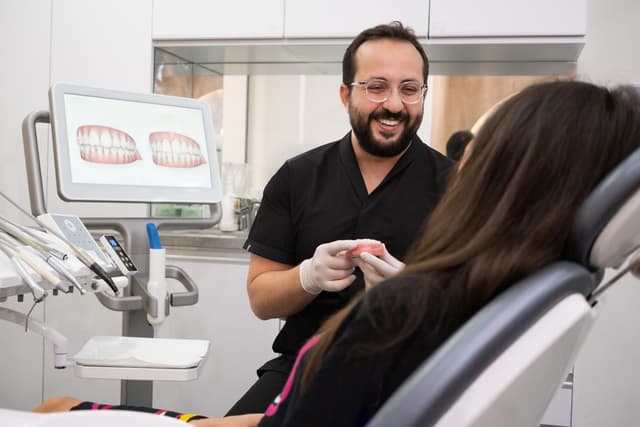
A full clinical assessment, photographs and digital smile design mock-up. You review the proposed shape and shade before any treatment begins. No tooth is touched until you approve the plan.
Minimal preparation & temporaries
The front surface of each tooth receives the minimum enamel reduction required — typically 0.3–0.5 mm. Temporary veneers are fitted immediately so you leave with a complete, wearable smile while the lab works.
Lab crafting & shade matching
Your veneers are handcrafted in a local dental laboratory using e.max or high-strength porcelain blocks. Shade is matched to a colour that suits your skin tone and any neighbouring natural teeth — not just the whitest shade on the chart.
Final fit & checks
Each veneer is individually checked against your teeth for fit, shade and bite before bonding. Adjustments are made until you are happy. A final polish completes the treatment.
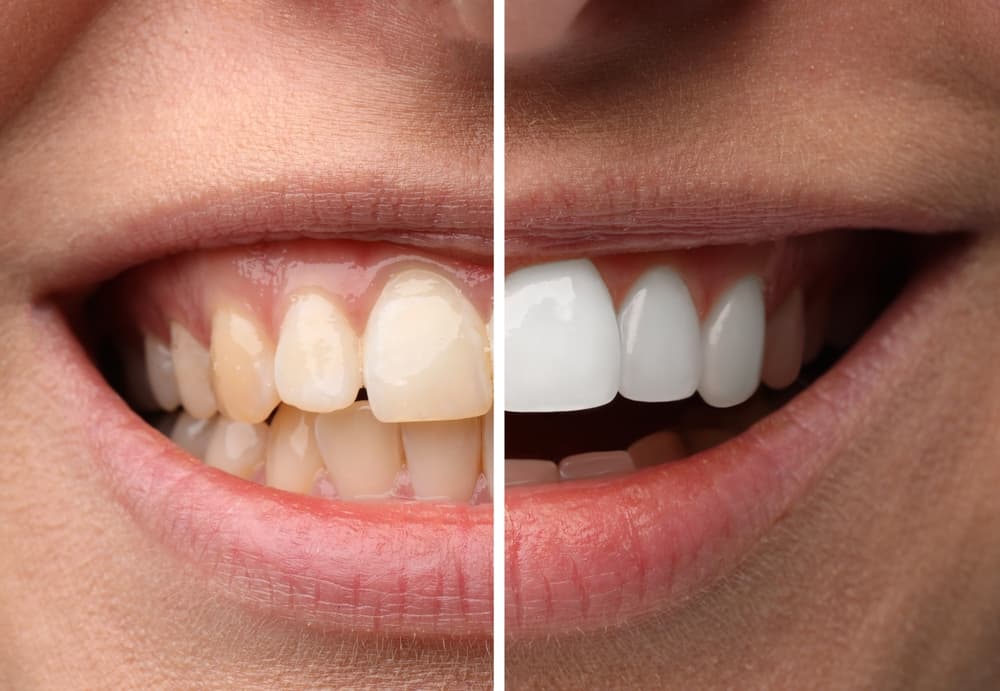
Real patient results
Real cases, shown with consent. Outcomes vary by individual.
The materials we use
The cost advantage of treatment in Turkey is not achieved by using inferior materials. Our partner clinic uses Ivoclar Vivadent e.max — the same lithium disilicate ceramic used in leading European and North American dental practices. The blocks are manufactured in Liechtenstein to ISO standards. We require our partner laboratories to work to ISO-standard processes and use certified material systems. What costs less in Istanbul is the overhead of running a clinic and the local cost of highly skilled specialist labour — not what goes in your mouth.