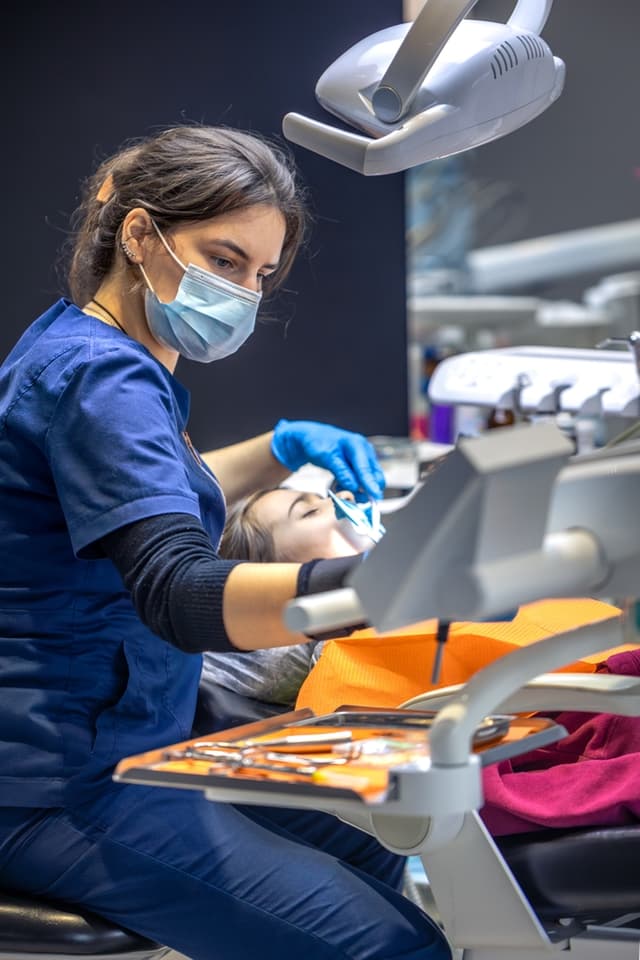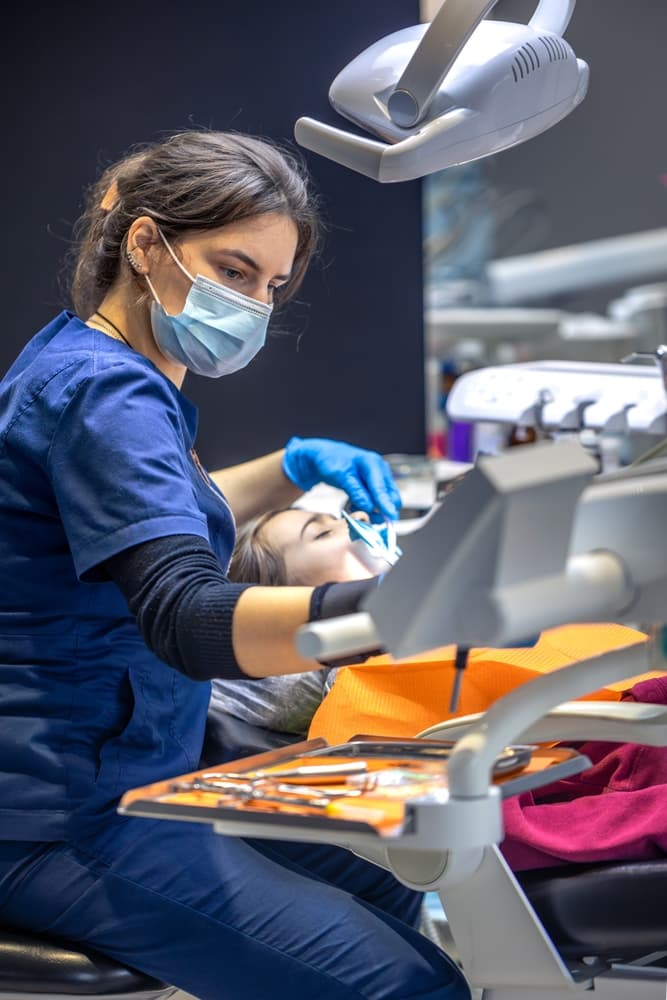
A dental crown is a cap that fits over an existing tooth, encasing it completely above the gum line. It is used when a tooth has been so weakened by decay, fracture or root canal treatment that a filling alone cannot restore it safely. The crown takes the biting forces and protects the remaining tooth structure underneath.
Crown, filling or veneer? Choosing honestly
Not every damaged tooth needs a crown, and not every cosmetic case needs one either. A specialist will recommend the minimum intervention that gives you a durable, healthy outcome. Here is a plain-language guide to how the decision is usually made:
- Filling: usually sufficient when decay or damage is limited and the tooth structure around it is sound.
- Veneer: a thin cosmetic shell for teeth that are structurally healthy but discoloured, chipped or slightly uneven — only covers the front surface.
- Crown: appropriate when the tooth is cracked, has had a root canal, has lost a large proportion of its structure, or needs protection from further fracture.
We do not recommend crowns on teeth that could be treated conservatively. If a filling or a veneer is the right call, that is what you will be advised — not a more expensive crown.
Crown materials compared
Four material types are in common use today. Each has different strength, aesthetic and cost characteristics. Your specialist will match the right material to each tooth.
| Material | Best for | From |
|---|---|---|
| Porcelain-fused-to-metal (PFM) | Budget-conscious cases, back teeth; note metal margin at gum line over time | €180 |
| All-porcelain | Front teeth; good aesthetics but less fracture resistance than zirconia | €200 |
| Monolithic zirconia | Back teeth; very strong, metal-free, no grey gum line, excellent longevity | €200 |
| Layered zirconia / e.max | Front teeth; highest translucency, most natural appearance, premium option | €230 |
Prices above are per unit (one tooth) and indicative. The right choice depends on which tooth is being crowned, your bite forces and aesthetic goals — your itemised plan will be specific to your case.
What happens, step by step
Crown treatment in Istanbul typically completes in one trip of 5–7 days. Here is the honest sequence of appointments.
Consultation & assessment
A full clinical review, X-rays and any necessary preparatory work (extraction, root canal treatment or decay removal) are completed first. Treatment only proceeds when the tooth is ready.
Tooth preparation
The tooth is shaped under local anaesthetic to receive the crown. A digital scan or impression is taken; a temporary crown is fitted to protect the tooth while the final crown is made in the lab.
Crown fabrication
Your crown is milled or crafted at the dental lab — colour-matched to your surrounding teeth. CAD/CAM zirconia crowns are often ready within 2–3 working days.
Fit and cement
The final crown is checked for fit, bite and colour, adjusted if needed, and then cemented. Most patients leave with a permanent, completed crown on the final day.
What dental crowns cost in Turkey
Istanbul's crown costs are significantly lower than UK private rates — driven by lower labour costs and overheads, not lower material quality. The same zirconia blocks and ceramic systems are used in both markets.
| Crown type | Istanbul (indicative) | UK private (indicative) |
|---|---|---|
| PFM | from €180 | £500–£800 |
| Monolithic zirconia | from €200 | £700–£1,000 |
| Layered zirconia / e.max | from €230 | £800–£1,200+ |
UK figures are indicative ranges — your own dentist's quotes may differ. Remember to factor in return flights and accommodation when calculating your overall saving. See a full cost comparison →