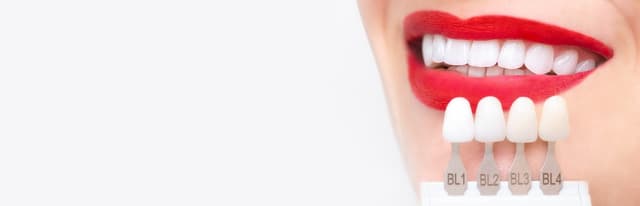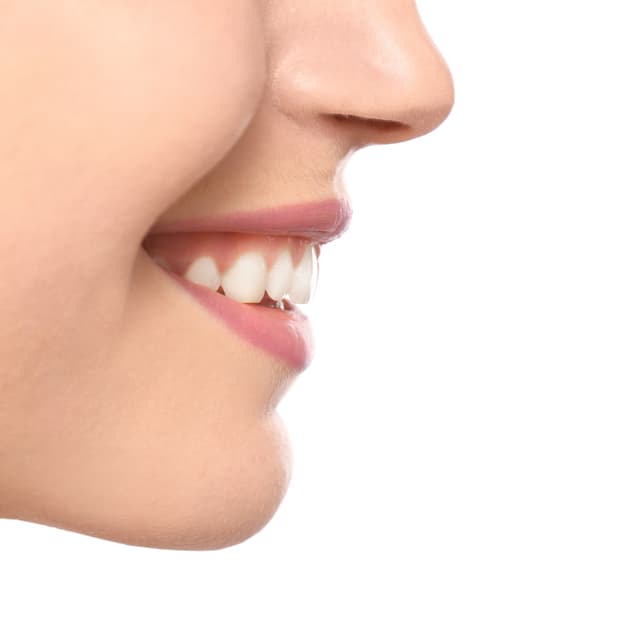
Composite veneers are not a shortcut or a compromise for patients who cannot afford porcelain — they are a genuinely different clinical option with their own appropriate use cases. For targeted corrections, conservative changes, single-tooth treatments or patients who want a reversible approach before committing to ceramic, composite resin is frequently the right recommendation. The trade-offs are real and worth knowing: shorter lifespan, more susceptibility to staining, and a different long-term maintenance picture than ceramic veneers. This page explains both sides honestly.
Composite vs porcelain: the honest trade-offs
The choice between composite and porcelain is not simply about cost. It is about which material suits your specific situation, teeth and priorities. Here is a direct comparison.
| Factor | Composite | Porcelain / E.max |
|---|---|---|
| Appointments needed | Often 1 (direct) | 2–3 across 5–7 days |
| Lab required? | No (direct) / Sometimes (indirect) | Yes — always |
| Lifespan | 4–8 years | 10–15+ years |
| Stain resistance | Moderate (porous surface) | High (glazed ceramic) |
| Repairability | Easy chairside | Usually requires remake |
| Reversibility | Often yes (no-prep cases) | No (enamel removed) |
| Cost per tooth | From €120 | From €220–260 |
The important practical point is that composite's repairability is a genuine advantage — a chipped porcelain veneer typically requires a full remake; a chipped composite can often be repaired at a single appointment for a fraction of the replacement cost.
Composite veneers will require more maintenance attention over time than ceramic. If you are a heavy tea or coffee drinker, or if you smoke, staining is a realistic issue to plan for. A periodic polish can refresh the appearance, but it does not reset the material to new. If longevity with minimal re-visits is your priority, porcelain or e.max is the more appropriate choice.
Composite bonding in Turkey
“Composite bonding” and “composite veneers” use the same resin material and largely the same technique. The distinction is scope: bonding typically refers to targeted additions — closing a gap, repairing a chip, adding length or reshaping a misaligned tooth — rather than covering the full front face as a veneer would.
Composite bonding is particularly well-suited for:
- Chipped or fractured teeth. A broken tooth corner or edge can often be rebuilt with composite that matches the surrounding shade so closely it is invisible. This is one of the fastest, most cost-effective procedures in cosmetic dentistry.
- Small diastemas (gaps). Narrow gaps between front teeth — particularly common between upper central incisors — can be closed with composite added to both flanking teeth, redistributing the space. No preparation required in most cases.
- Shape correction and reshaping. Teeth that are slightly misshapen, pointed, or unevenly sized can often be reshaped and evened out with composite additions.
- Minor length restoration. Teeth worn by acid erosion or grinding can have their original length partially restored with composite to improve the smile line and bite appearance.
In all of the above cases, composite bonding typically requires no preparation of the natural tooth. The resin bonds directly to clean, slightly etched enamel. This is the conservative advantage that makes bonding the right first option for many targeted cosmetic problems — before considering irreversible ceramic work.
No-prep composite: the reversibility advantage
For patients who are undecided about committing to ceramic veneers, or who simply want the most conservative option available, no-prep composite is worth understanding properly.
When composite is placed on an untouched tooth — no enamel removal — the result is genuinely reversible. If you decide later that you want to upgrade to porcelain, the composite can be polished off and the underlying natural enamel is intact. This is not possible with ceramic veneers, which require enamel reduction that cannot be undone.
No-prep composite is appropriate when:
- Your teeth are naturally relatively small or slightly set back (providing space for the material without looking bulky)
- The desired aesthetic change is modest — subtle reshaping rather than a dramatic shade change
- You are treating individual teeth or a small number rather than a full smile
- You want to preview the look before committing to irreversible treatment
Where a significant shade change is required, some preparation is still needed — even with composite — because the resin cannot mask a very dark underlying tooth at ultra-thin thicknesses. Your specialist will be direct about whether no-prep is clinically viable for your specific teeth at consultation.
Composite veneer cost in Turkey
Composite veneers and bonding at our Istanbul partner clinic start from €120 per tooth. Because composite work is often completed in a single visit without laboratory fabrication, the price reflects both the material cost and a shorter clinical time than a porcelain case.
For a targeted bonding case — a single chip repair or gap closure — the total treatment cost can be low. For a full-smile composite veneer case across 8–10 upper teeth, the indicative range starts from €960–€1,200, with your final quote depending on the number of teeth and the extent of coverage required.
For a full price comparison across composite and ceramic options, including UK comparisons, see the veneers cost guide. To get a quote specific to your case, send a few photos through the free assessment form — a specialist will confirm which approach is most appropriate for your teeth and provide an itemised price.